
Summary
Explore 2027 healthcare cost projections from major research firms. Learn how high rates will impact employers and how plan design changes can control costs.
Nothing beats driving home in a new car with all the modern bells and whistles. But when that first insurance statement for your electric vehicle (EV) arrives, many people are shocked by the cost.
Many buyers are noticing a frustrating trend: the very features designed to keep us safe and lower emissions are actually driving insurance prices through the roof.
If you are shopping for a new vehicle or planning a switch to an EV, understanding the hidden economics of automotive tech will help you protect your wallet before you sign on the dotted line.
The Fender-Bender That Costs $3,000
Decades ago, backing into a pole meant a dented metal bumper and a quick trip to a local body shop. You paid a few hundred dollars out of pocket, or filed a minor claim, and moved on.
Today, that same rear bumper is practically a supercomputer. Modern bumpers, side mirrors, and windshields host an array of Advanced Driver Assistance Systems (ADAS), including parking sensors, blind-spot radar, surround-view cameras, and automatic emergency braking hardware.
When a low-speed collision occurs, the issue isn’t just cosmetic metal repair:
Sensor Replacement
A single radar unit or camera can cost anywhere from $500 to over $1,500 for the part alone.
Precision Calibration
After replacing a bumper or windshield, technicians must recalibrate the entire sensor suite. This requires specialized digital targets, radar reflector boards, and a dedicated bay. Calibration alone routinely adds $500 to $1,500 to a basic repair bill.
Integrated Body Panels
Many modern vehicles feature large, single-piece body stampings or specialized aluminum frames. Instead of pulling out a simple dent, mechanics often have to replace entire structural sections.
Because insurance rates are tied to “claim severity” (how much an insurer pays out each time a claim is filed), rising repair costs force carriers to adjust premiums across the board for tech-heavy models.
Switching to an EV? The Mechanics Behind the Rate Jump
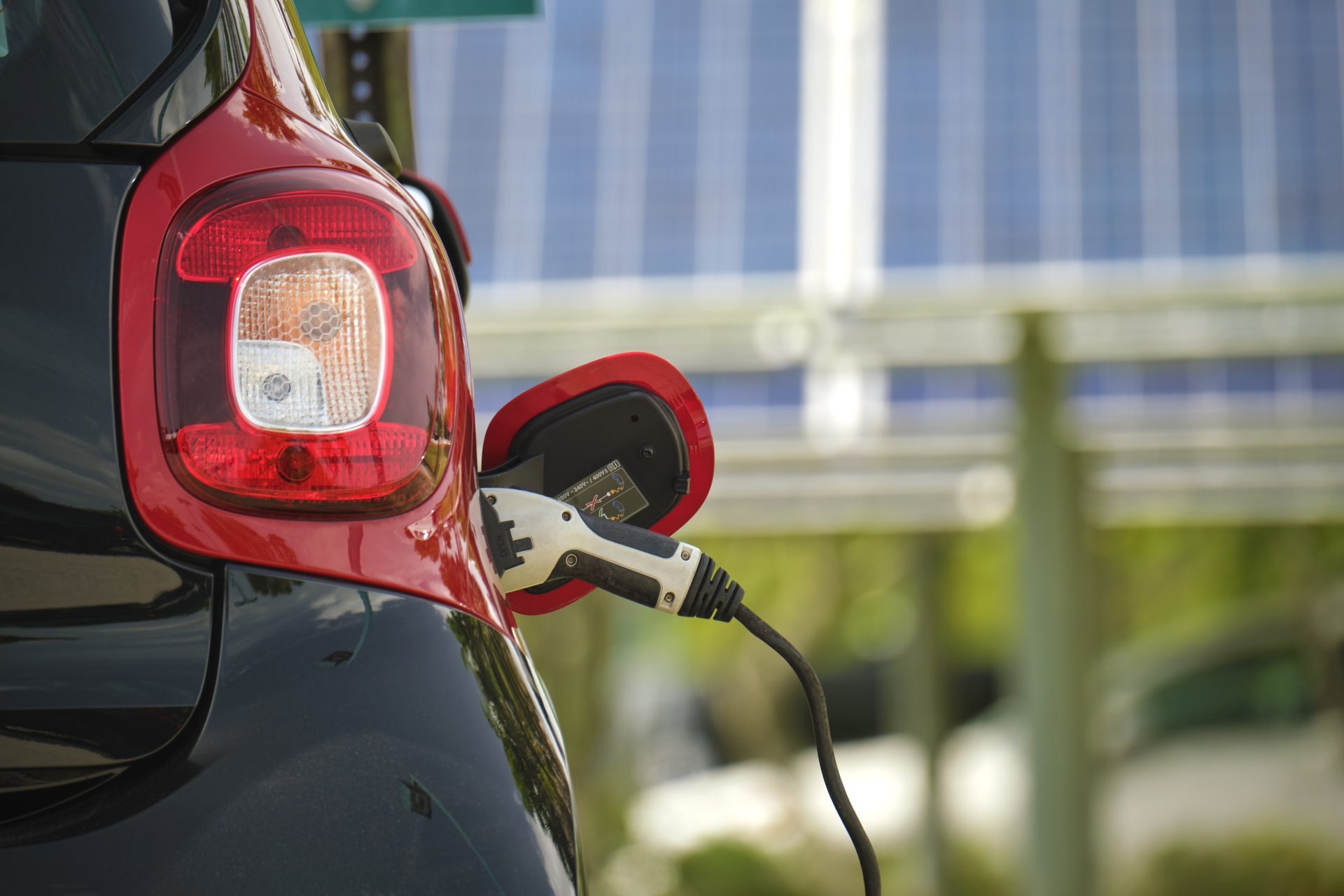
Switching from a traditional internal combustion engine to an electric vehicle can save you money on fuel and routine engine maintenance. However, insurance often eats up those operational savings.
On average, electric vehicles cost significantly more to insure than gas-powered cars due to three structural factors:
- The High Cost of the Battery Pack
The battery pack is the single most expensive component in an EV, often accounting for a substantial portion of the vehicle’s total value. If an underbody impact scratches or compromises the battery casing in a road incident, manufacturers often require a full battery replacement because of safety and thermal-runaway risks. Replacing one can cost anywhere from $6,000 to over $15,000. Because repairing a battery isn’t always an option, insurers frequently declare EVs a “total loss” after moderate accidents that would have been routine fixes on a gas car.
- A Shortage of Certified Shops and Labor
You can take a traditional gas sedan to almost any independent auto shop in town. However, an EV requires certified technicians trained in high-voltage safety and manufacturer-specific diagnostic tools. This limited labor pool drives higher hourly rates at specialized collision centers, increasing the total claim cost every time your vehicle goes in for service.
- Supply Chains and Repair Delays
Proprietary components mean replacement parts frequently take longer to arrive. A repair that takes five days for a standard car might take four to six weeks for a high-tech EV. For policyholders, that means extended car rental coverage expenses, which insurers build directly into their pricing models for those vehicle classes.
How to Outsmart the Tech Tax Before You Buy
High-tech cars don’t have to break your budget. You can take proactive steps to keep your personal lines insurance manageable without sacrificing modern safety or performance:
Get Quotes Before You Buy
Never assume two cars with the same sticker price will cost the same to insure. Request a quick quote on the specific VIN or trim level before signing purchase papers.
Re-Evaluate Your Deductibles
Raising your collision deductible from $500 to $1,000 or $1,500 can offset the baseline premium increase on a tech-heavy vehicle.
Leverage Insurance Programs
Many carriers offer Usage-Based Insurance (UBI) programs that reward smooth driving. If your high-tech vehicle helps you stay in your lane and brake smoothly, you can turn those safety features into actual policy discounts.
Explore Bundling
Combining your auto policy with home or renters’ insurance remains one of the fastest ways to shave 10% to 20% off your overall premium, absorbing the extra cost of a high-tech vehicle.
Modern vehicle safety tech undeniably saves lives and prevents collisions, and insurance pricing will catch up over time. In the meantime, stay proactive about how tech affects your policy so you can enjoy the ride without unexpected financial bumps down the road.
To speak with an insurance expert, call GTM Insurance Agency at 518-373-4111 or request a complimentary consultation